What Everyday Life Is Really Like In Nashville
May 14, 2026
May 14, 2026
If you are thinking about a move to Nashville, you are probably asking a simple question with a complicated answer: what does daily life actually feel like once the novelty wears off? That is a smart question, because Nashville is not just a tourist stop or a music headline. It is a real city with routines, tradeoffs, traffic patterns, green space, and very different neighborhood rhythms depending on where you live. In this guide, you will get a practical look at how people move through the day, what shapes the local lifestyle, and what to think about before you choose your next address. Let’s dive in.
One of the biggest surprises for many buyers is that Nashville does not live like one single, uniform city. Long-range planning from NashvilleNext describes a county shaped by a mix of neighborhood types, with goals that include preserving neighborhoods, building housing near transit and jobs, and creating walkable centers in both suburban and urban areas.
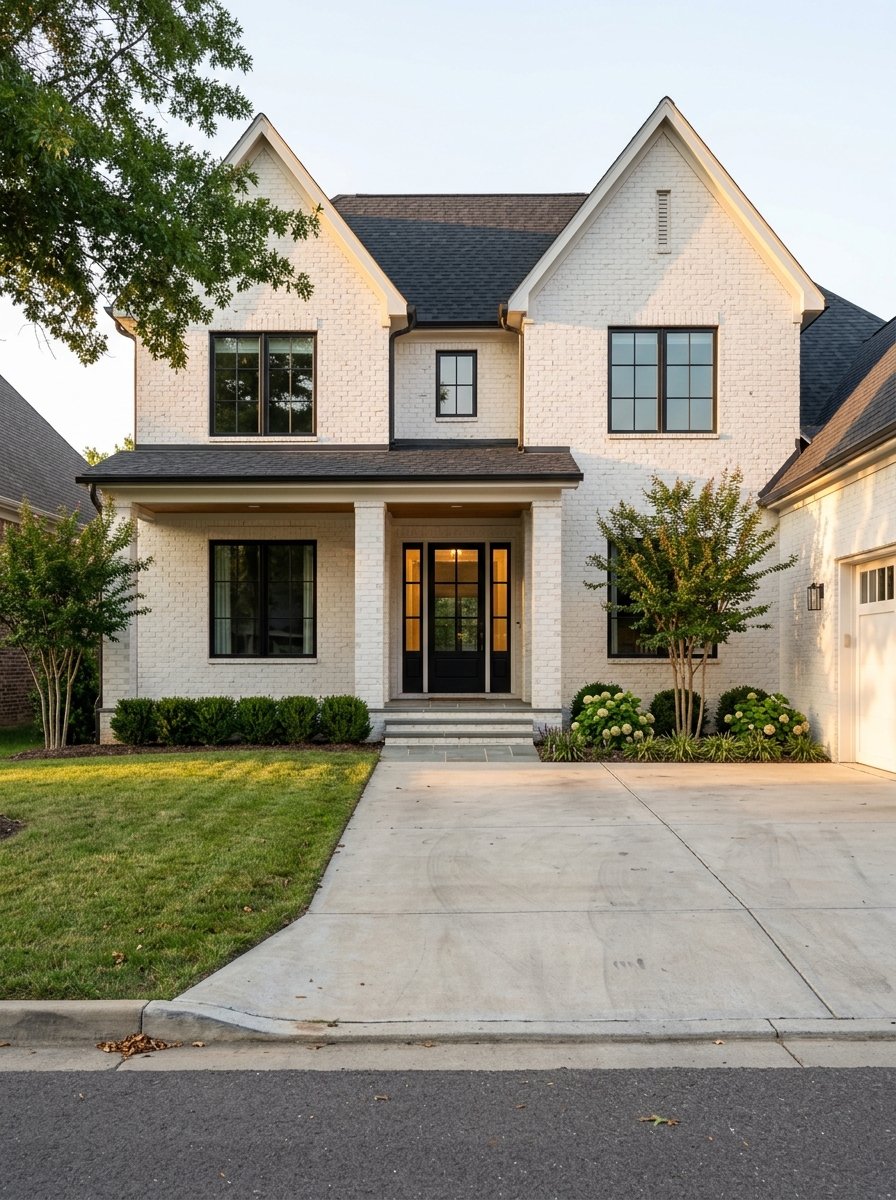
In plain English, that means your everyday life can look very different depending on your location. Some parts of Nashville feel more spread out, with larger lots, driveways, and a more suburban pace. Other areas feel more connected and compact, with housing closer to daily destinations and a stronger mix of walking, transit, and nearby services.
That variation matters when you are choosing a home. You are not just picking square footage or style. You are choosing how your mornings begin, how long errands take, and whether your evenings feel quiet, active, or somewhere in between.
Daily life in Nashville often starts with the commute. According to the U.S. Census Bureau, the mean commute in Nashville-Davidson is 24.7 minutes, which gives you a useful baseline for what many residents experience on a typical workday.
For many households, a car is still part of daily life. At the same time, Nashville is not standing still when it comes to mobility. The city is investing in transit and street design through Choose How You Move and its All-Access Corridors, with a stated goal of making travel safer, faster, and more dependable while improving access to jobs and other daily destinations.
WeGo Public Transit operates 27 local bus routes and nine regional routes. Some frequent routes run every 15 minutes or less on major corridors, and commuter routes connect outlying counties to downtown.
The WeGo Star also serves the East Corridor on weekday mornings and afternoons. Eligible Davidson County residents can ride WeGo for free through Journey Pass, which can make transit a more practical option for some routines.
That does not mean every Nashville resident lives car-free. It does mean that in the right location, transit, biking, and walking can become part of your regular week instead of an occasional extra.
A big part of everyday Nashville living is how easy it can be to spend time outdoors. Metro Parks oversees 15,134 acres of open space, 178 parks, and 99 miles of greenway, and the city says its trail network exceeds 270 miles.
That kind of access changes the feel of daily life. A walk, bike ride, paddle, or quick park stop does not have to be a major weekend event. For many residents, it can fit into a morning routine, a lunch break, or a relaxed evening after work.
Warner Parks span more than 3,100 acres and draw close to a million visitors a year. Shelby Bottoms is a 960-acre natural area just minutes from downtown.
Those examples help show what Nashville offers on a normal week, not just on a special outing. Outdoor time is woven into the local lifestyle, whether you want a long trail, a scenic greenway, or a simple place to reset.
One reason Nashville feels livable to many residents is that practical routines do not always feel separate from leisure time. A simple example is the Nashville Farmers’ Market, which is open seven days a week from 8 a.m. to 8 p.m.
That kind of schedule makes it easier to combine errands with a casual lunch, a walk, or part of a weekend plan. It reflects something broader about the city. In many parts of Nashville, daily life is not just work and home. There is often some overlap between what you need to do and what you actually enjoy doing.
Yes, music is a major part of Nashville’s identity, but what matters for residents is how naturally it shows up in ordinary life. Visit Music City highlights Broadway’s Honky Tonk Highway as a place where live music plays throughout the day, along with iconic venues like the Ryman Auditorium and the Grand Ole Opry.
But the local culture is not limited to major destination spots or late-night plans. The same source notes that the Gulch also has live music in restaurants and venues, which shows how entertainment is often folded into regular dining and social routines.
Nashville also offers a wider cultural mix than many people expect. Metro Parks Cultural Arts provides dance, music, theater, and visual arts programming, while Metro Arts manages public art services and commissions.
Daytime cultural stops include places like the Frist Art Museum and Bicentennial Capitol Mall State Park. So if you are wondering whether everyday life here revolves around one scene or one sound, the answer is no. The city has a broader cultural rhythm than its national reputation sometimes suggests.
Your home setting in Nashville has a direct effect on what life feels like day to day. NashvilleNext describes suburban areas as lower-to-moderate density, often with large lots, driveway access, and front parking. Urban areas are described as more connected, higher density, and more likely to use alley access and rear parking.
There are also neighborhood-evolving areas that mix detached single-family homes with plex houses and other housing types. That means Nashville can feel like a city of single-family homes, townhomes, flats, and apartments depending on the block.
This is one of the most important practical points for buyers. If you want more space and a more spread-out setting, you may prefer one type of area. If you want easier access to daily destinations and a more connected street pattern, another area may make more sense.
Lifestyle in Nashville is also tied closely to cost. Census data shows Nashville-Davidson has a median owner-occupied home value of $413,600 and a median rent of $1,586. Both figures are above the Tennessee averages of $286,700 for median owner value and $1,189 for median rent.
That does not tell you what any one property will cost, but it does highlight a real tradeoff. In Nashville, location often shapes not only your routine but also how far your housing budget will stretch.
For many buyers and sellers, this is where local guidance matters most. It helps to look beyond the headline price and think about what you are getting in return, such as commute pattern, housing type, access to parks, and how connected your area feels to the rest of your daily life.
Nashville has four-season variety, but the day-to-day weather pattern is fairly easy to understand. NOAA climate normals for Nashville International Airport show an annual mean temperature of 60.8 degrees, with average highs around 90 degrees in July and August and average lows around 33 degrees in January.
Annual precipitation averages 50.51 inches, and annual snowfall averages 4.7 inches. So if you are moving here, you should expect hot summers, relatively mild winters, and regular rain across the year.
One practical note is especially important when you are house hunting. Nashville warns that all streams in Metro are subject to flooding, so stormwater and flood-map awareness matter in some parts of town.
That does not mean every property has the same level of exposure. It does mean flood-related questions should be part of your decision-making process when you evaluate a location.
For many residents, everyday life in Nashville is a blend of movement, convenience, outdoor access, and easy entertainment. A typical day might include a commute, a stop at a park or greenway, a few errands, and a casual dinner or music option without needing a big plan.
The exact feel depends heavily on where you live. Some households want a lower-density setting with more yard space and a quieter pace. Others want a denser in-town area or an infill corridor where transit, restaurants, and daily destinations feel closer together.
That is why moving to Nashville works best when you focus on lifestyle fit, not just the listing itself. The right move is usually the one that matches your routine, budget, and comfort level with the tradeoffs that come with each part of the county.
If you are trying to figure out which version of Nashville fits your life best, a strategy-first conversation can save you time and help you avoid expensive surprises. Kimberly Hollingshead helps buyers and sellers think through neighborhood tradeoffs, timing, contracts, title, and closing details in plain English so you can make a confident move.
Stay up to date on the latest real estate trends.

Go beyond the broadcast with direct guidance rooted in legal expertise and real estate experience.