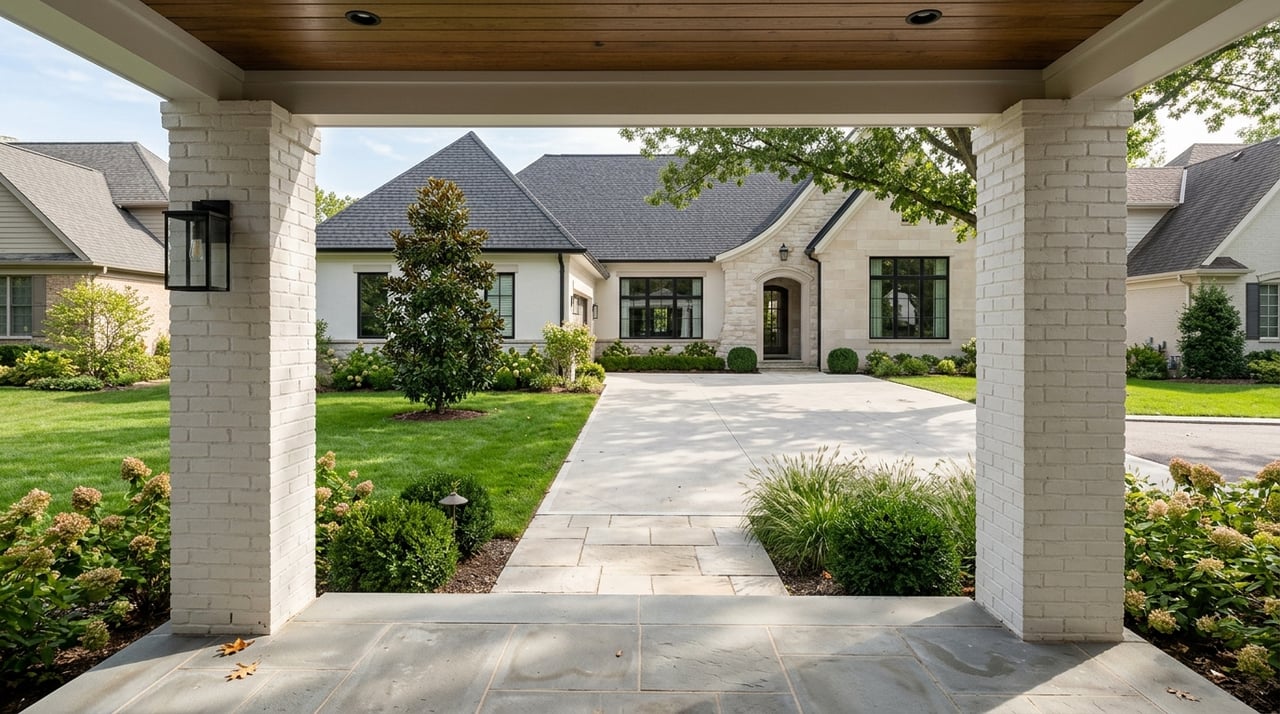
How To Choose The Right Nashville Neighborhood Fit
June 18, 2026
June 18, 2026
Trying to pick the right Nashville neighborhood can feel harder than choosing the right house. A home may check every box online, but if the daily routine around it does not fit your life, the excitement can wear off fast. The good news is that you do not have to guess. With the right questions and a clear process, you can narrow your options with more confidence. Let’s dive in.
One of the first things to know is that Nashville does not have one fixed neighborhood boundary map. Metro says residents do not always agree on where neighborhood lines begin and end, so the city’s official neighborhood map is advisory rather than legally fixed.
That matters because a neighborhood name alone will not tell you enough. Two homes with the same neighborhood label can offer very different daily experiences depending on the street, block pattern, traffic flow, parking, lot size, and nearby development.
If you are buying in Nashville, think in terms of how you want to live each day, not just which neighborhood name sounds most familiar. That simple shift can save you from chasing a reputation instead of a real fit.
The best Nashville neighborhood for you is usually the one that supports your routine with the fewest compromises. Metro’s planning tools show that different parts of the county are meant to offer different combinations of housing, open space, transportation, and commercial areas.
That means there is no single “best” neighborhood for everyone. What matters is whether an area matches your priorities now and still makes sense a few years from today.
Before you tour homes, ask yourself a few honest questions:
Commute is one of the biggest quality-of-life factors, and it is more than drive time on a map. Nashville’s transportation planning includes multiple travel modes, and WeGo currently lists 27 local bus routes, nine regional routes, express service, and the WeGo Star on the East Corridor, which connects Riverfront Station with Donelson and Hermitage stations.
That means your commute review should include more than the fastest route at 2 p.m. You should also look at what happens during rush hour, whether there is a transit backup, how easy parking is, and whether walking or biking is realistic for part of the trip.
A neighborhood that looks close on paper may feel very different once you test the route in real conditions. That is why it helps to drive or ride the route during the times you would actually use it.
Nashville neighborhoods often feel different because the housing mix is different. Metro zoning rules shape land use, building height, setbacks, and other development standards, while some districts are designed to create more walkable neighborhood patterns.
Metro’s General Plan notes that T4 Urban neighborhoods can include detached homes, plex houses, townhomes, flats, and accessory dwelling units. It names East Nashville, Edgehill, Sylvan Park, Belmont-Hillsboro, and Buena Vista as examples of T4 Urban neighborhoods with distinct character.
For you as a buyer, the key is to connect housing form to daily comfort. A detached home, condo, townhome, or infill property can each work well, but the right choice depends on how you want to live, maintain the property, and use the space.
In Nashville, block-by-block differences matter. Metro’s planning framework supports the idea that the look and feel of an area is shaped by details such as building size, height, setbacks, parking, access, and landscaping.
That is why one part of a neighborhood may feel calm and settled while another feels more active or in transition. Even if two listings share the same neighborhood name, the surrounding experience may not feel the same once you step outside the front door.
When you visit, slow down and study the immediate surroundings. The block you live on will affect your day-to-day life far more than the broader label on a listing sheet.
Parks and greenways are a big part of daily life for many Nashville buyers. Metro says greenways connect neighborhoods to parks, transportation, shopping, and work, and the county-wide trail network exceeded 300 miles as of April 2019.
But map distance is not enough. What matters is whether a park, trail, or greenway is close enough and convenient enough that you would actually use it every week.
If outdoor access is important to you, measure it by routine. A nearby trail only adds value to your lifestyle if it becomes part of your normal week, not just a nice idea.
A neighborhood fit is not just about your home and commute. It is also about how easily you can handle normal weekly tasks like groceries, coffee, medical appointments, fitness, or dining out.
The best way to test this is to list the places you use most often and see how they fit into your routine from each area you are considering. A house can be beautiful, but if every basic errand feels inconvenient, that friction adds up.
This is one place where a practical mindset helps. Instead of asking whether an area has “everything,” ask whether it has the things you actually use.
Some buyers want a neighborhood that already feels established. Others are comfortable buying in an area where future growth and change are part of the appeal. Nashville has both.
Metro uses Community Plans and the Community Character Manual to guide what areas should house and how they should feel over time. These tools look at residential, commercial, office, and open space patterns, as well as design details that affect how development fits into the surrounding area.
Development pressure can vary sharply across Nashville. For example, Green Hills/Midtown has nine Urban Design Overlays, the most in any of Nashville’s fourteen communities, which shows how planning controls can differ from one area to another.
If future change matters to you, look beyond the listing and ask what could happen nearby over the next five to ten years. That is especially important if you are choosing between a quieter street, a more active mixed-use area, or a location where redevelopment may intensify.
It is easy to get overwhelmed when every area has something appealing. A scorecard can help you compare neighborhoods in a more useful way.
Keep it simple and rank only the factors that truly affect your daily life. Then remove any area that fails one of your non-negotiables.
| Factor | What to ask | What to verify |
|---|---|---|
| Commute | How long is the trip at peak times? | Test the route in rush hour and check parking and bottlenecks. |
| Housing type | Does the home style fit your lifestyle? | Check lot size, stairs, garage setup, yard needs, and renovation level. |
| Outdoor life | Would you use nearby parks or trails weekly? | Measure real travel time, not just map distance. |
| Daily errands | Are your regular stops convenient? | List the places you use most and compare access. |
| Noise and activity | Do you want a quieter or more active setting? | Visit on weekday mornings, evenings, and weekend nights. |
| Future change | Is nearby growth likely? | Review zoning, overlays, plans, and street projects. |
A good method is to score each neighborhood from 1 to 5 in every category. Then disqualify any neighborhood that cannot meet your top three must-haves at the same time.
Before you tour, it helps to use Metro’s own planning and mapping tools. NashvilleMaps brings together neighborhood, zoning, closure, and GIS resources, while Metro also offers an advisory neighborhood map, Park Finder, WeGo route maps, and planning maps for major streets, sidewalks, and bikeways.
These tools can help you ask better questions before you fall in love with a listing. They also make it easier to spot tradeoffs early, which is a smart move in any market.
If you want to make a confident choice, do not rely on neighborhood reputation alone. Test the street, the route, the housing type, the weekly errands, and the likely future around the property.
Choosing the right Nashville neighborhood fit is really about choosing the right daily life. If you want help sorting through the tradeoffs, planning your shortlist, and moving forward with a clear strategy, connect with Kimberly Hollingshead.
Stay up to date on the latest real estate trends.

Go beyond the broadcast with direct guidance rooted in legal expertise and real estate experience.