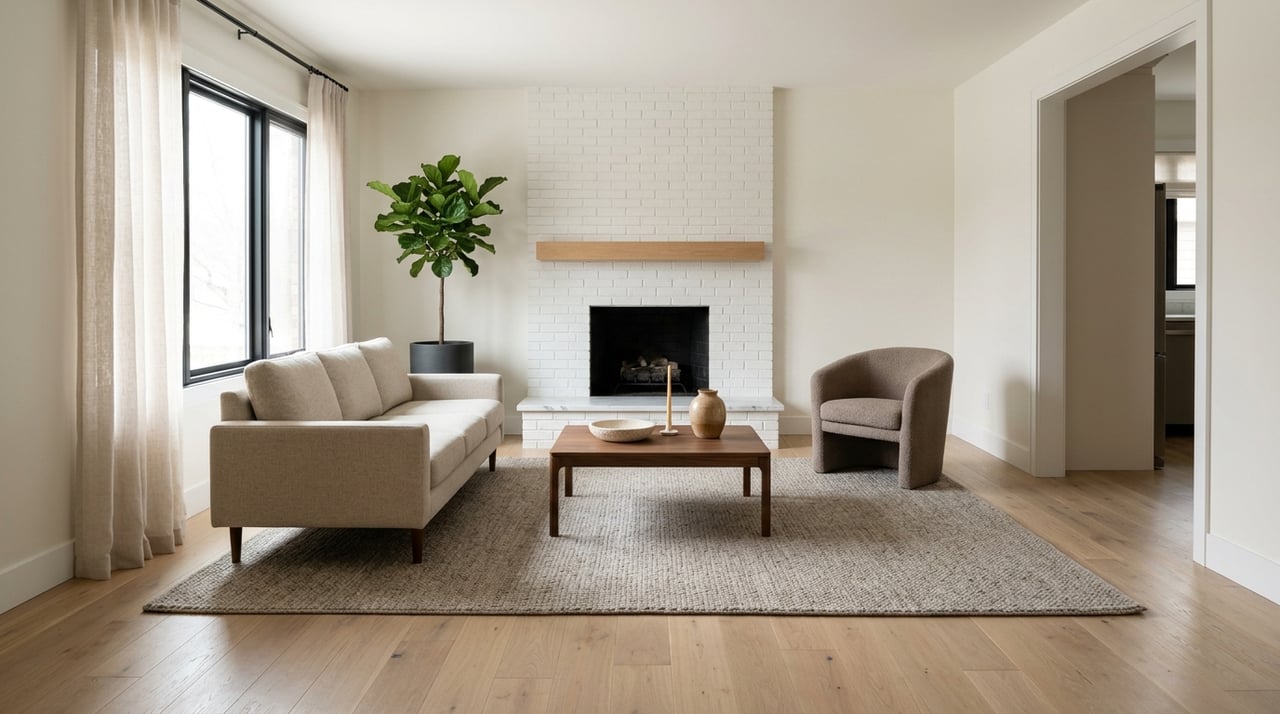
Popular Nashville Home Styles And What They Offer
May 28, 2026
May 28, 2026
If you have been scrolling Nashville listings and wondering why one home feels full of historic detail while another is all about layout and function, you are not imagining it. Nashville has a layered housing mix, and the style of a home often shapes how it lives day to day, what kind of upkeep you may face, and what to look at before you buy. When you understand the most common home styles in Davidson County, you can compare options with more confidence and ask better questions before you make a move. Let’s dive in.
Nashville’s housing stock reflects decades of growth, change, and redevelopment. Metro Nashville’s planning data shows the city still has a majority of detached homes, along with attached and multifamily housing, and the long-range plan expects major population and job growth by 2040.
That mix means you may see everything from Victorian-era homes and early suburban bungalows to postwar ranch houses, newer infill builds, and townhomes in the same broad market. For you as a buyer, style is not just about curb appeal. It can affect floor plan, renovation needs, lot use, and even whether certain exterior changes may need extra review.
Victorian houses are some of Nashville’s oldest and most visually distinctive homes. Metro ties much of this housing to the city’s post-Civil War growth and to early streetcar suburbs such as Edgefield and Lockeland Springs.
These homes often feature steep roofs, tall narrow windows, decorative trim, and prominent front porches. In many cases, the exterior details are a big part of the home’s identity and charm.
If you love character, a Victorian can offer details that are hard to find in newer construction. You may notice more individual trim work, stronger architectural personality, and a porch presence that gives the home a strong relationship to the street.
With older homes, original features matter. Metro’s preservation guidance stresses keeping the original rooflines, windows, porches, and siding relationships intact, and it warns against changes like widening windows or enclosing visible porches.
That does not mean a Victorian cannot be updated. It means you should look closely at condition, prior renovations, and whether the home is in an overlay district where additions or exterior changes may face extra review.
Revival styles were a major part of Nashville’s early suburban growth from about 1900 to 1945. These homes often appear in areas Metro identifies with early suburban development, including Richland-West End, Cherokee Park, and Inglewood.
Colonial Revival homes usually have a symmetrical front, a centered entrance, and classic entry details like pilasters or pedimented surrounds. Roofs are often side-gabled or hipped, and the overall look tends to feel balanced and formal.
For buyers, that often means a home with traditional curb appeal and a clean, orderly exterior. Metro also notes that garages became more common during this period as home design adapted to automobile ownership.
Tudor Revival homes often show steep roofs, cross-gables, grouped narrow windows, large chimneys, half-timbering, and arched doorways. English Cottage influences can bring a similar storybook look on a smaller scale.
These homes often attract buyers who want prewar style without the ornate detailing of a Victorian. The appeal is usually in the rooflines, masonry, and distinctive exterior shapes rather than broad porches or decorative trim.
Spanish Revival is less common in Nashville, but Metro notes that it does appear, including in Little Hollywood in East Nashville. These homes may include stucco walls, red tile roofs, and arched openings.
For buyers, the main advantage is uniqueness. In a market with many familiar forms, this style can stand out right away.
Many buyers describe Nashville bungalows as charming, approachable, and easy to love. Metro’s guidance places most Nashville bungalows under the larger Craftsman umbrella, especially in historic suburbs such as Cherokee Park, Hillsboro-West End, and Inglewood.
Bungalows are usually one to one-and-a-half stories with low-pitched roofs, wide eaves, exposed rafters, decorative braces, and front porches supported by square columns. They tend to feel grounded and welcoming from the street.
Inside, the layout often opens straight into the living room. Built-ins, exposed beams, and compact but practical rooms are also common features.
These homes often appeal to buyers who want historic character in a smaller, more human-scale footprint. A bungalow can feel warm and efficient while still offering craftsmanship and design details that stand out.
That said, the features that make these homes attractive are also the ones worth protecting. Metro recommends preserving the basic form, porch, and window openings and avoiding major changes that erase the original layout or exterior presence.
If you want something straightforward and compact, Nashville cottages and Minimal Traditional homes are worth understanding. Metro describes this form as a small, efficient house type that became common in the postwar period.
These homes are usually one or one-and-a-half stories with rectangular or L-shaped plans, small inset entries or stoops, and very little exterior ornament. Metro notes they are typically around 1,000 square feet or less.
For many buyers, the biggest draw is simplicity. These homes often feel practical, manageable, and less ornate than earlier styles.
Because of their size and simple detailing, they are often associated with a more straightforward ownership experience. Still, the right fit depends on how much space you need and whether you want room to expand later.
A large share of Nashville’s residential streetscapes was shaped by postwar development. Metro says Ranch homes became dominant in the early 1950s, while split-level homes gained popularity in the mid-1950s.
Ranch homes typically have one-story massing, low-pitched roofs, broad eaves, picture windows, and attached carports or garages. Early plans often included a living-dining room, open kitchen, two to three bedrooms, and one bathroom.
Later versions added more space and features tied to outdoor living, such as patios and sliding glass doors. For buyers, that often translates to easy circulation and practical daily function.
Split-level homes divide living space across levels. Metro describes a typical layout with a lower den and garage level, a middle living level, and an upper sleeping level.
These homes are less common in Nashville than in some other markets, but they do appear in postwar neighborhoods and subdivisions. If you want separation between living and sleeping areas, this layout can offer a different feel from a one-story ranch.
Compared with many older houses, Ranch and split-level homes often feel more directly shaped around modern daily use. Garage or carport access, simpler circulation, and more functional room placement can matter just as much as curb appeal.
The trade-off is that these homes may have less decorative character than Victorian, bungalow, or revival-style houses. In many cases, buyers focus more on the floor plan, lot, and quality of updates than on exterior ornament.
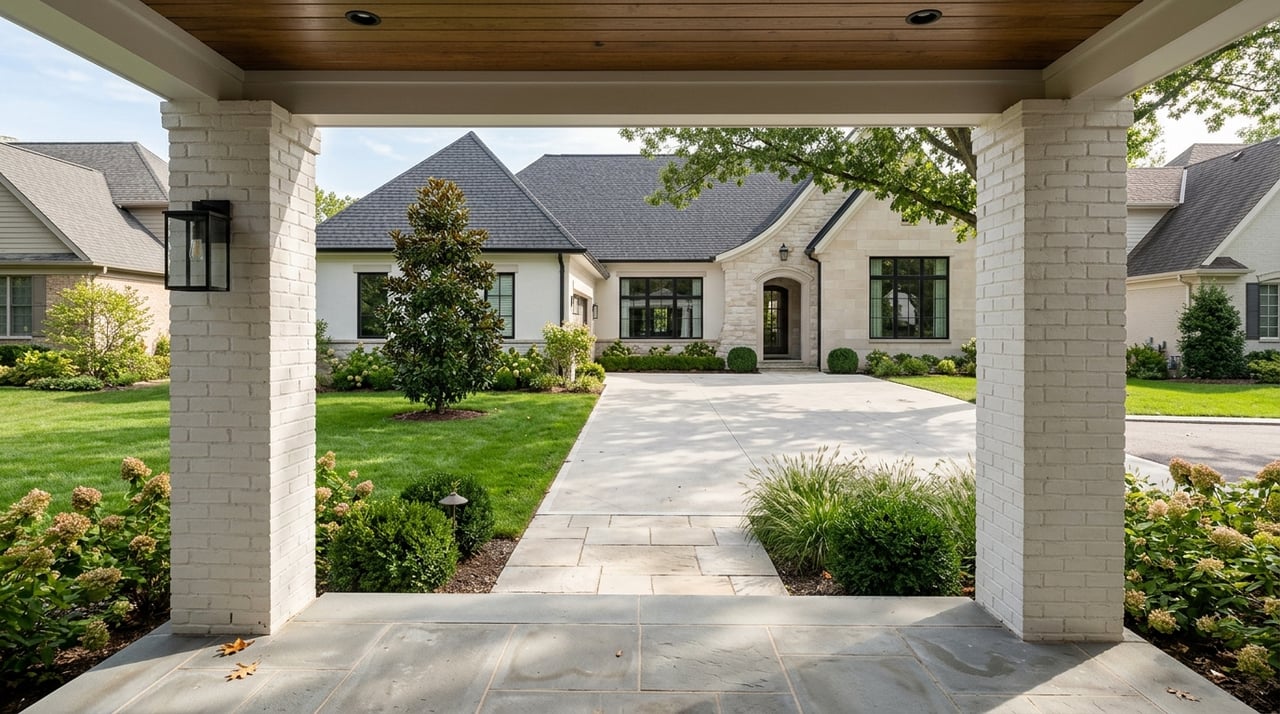
Not every popular Nashville home style is historic. Many online shoppers first notice newer infill builds and townhomes because they stand out in search results and often offer a more current look.
Metro defines infill as new or significant redevelopment on a lot that is not part of a grading-permitted subdivision. In practice, that can mean an older home is removed and one or two new homes are built in its place, or a lot is significantly redeveloped under current zoning and permit rules.
For buyers, infill often means a brand-new house in an established area. That can be appealing if you want newer systems and finishes while staying close to older neighborhood fabric.
Metro planning materials show attached townhomes as a common part of newer site plans, often with rear-loaded garages and up to three stories. These homes help add housing choice in areas where land is used more efficiently.
For you, that often means a newer-feeling home with less yard space and more vertical living than a detached house. If low exterior maintenance and newer layouts matter more than a large lot, a townhome may be worth a closer look.
In Nashville, style should never be separated from planning and inspection. Metro’s preservation guidance across several older home types emphasizes sensitive rehabilitation, with attention to rooflines, window proportions, porches, and the home’s basic form.
Before you buy, ask whether the property is in a historic, conservation, contextual, or urban design overlay. Metro notes that some of these districts require extra review for additions, new construction, and certain exterior changes.
That matters because your renovation ideas may not be judged by the same standards everywhere. Setback, height, lot coverage, parking, access, materials, and placement can all come into play depending on the district.
Metro estimates that 144,348 Davidson County housing units were built before 1980 and may carry lead-paint risk, and many owner-occupied units were built before 1960. If you are buying an older home for charm, you should also be prepared to look carefully at systems, maintenance history, and renovation planning.
A smart inspection strategy matters just as much as recognizing a Craftsman porch or a Tudor roofline. In Nashville, attractive architecture and sound due diligence should go hand in hand.
The best Nashville home style is the one that fits your daily life, budget, and comfort level with maintenance and future updates. A Victorian may win on character, a bungalow may feel warm and approachable, a ranch may be easier for everyday flow, and a townhome may offer the low-yard lifestyle you want.
Before you fall in love with a look, step back and ask a few practical questions:
When you answer those questions early, it gets much easier to sort through listings and focus on homes that truly fit. That kind of clarity can save you time, reduce stress, and help you move forward with fewer surprises.
If you want help comparing Nashville home styles, understanding what a property may require, and preparing for a smoother purchase from contract to closing, Kimberly Hollingshead can help you take the next step with clear, local guidance.
Stay up to date on the latest real estate trends.
Go beyond the broadcast with direct guidance rooted in legal expertise and real estate experience.