Nashville Condo vs House: Which Option Suits You Best?
May 21, 2026
May 21, 2026
Trying to choose between a condo, townhome, or house in Nashville? You are not alone. Many buyers start with a price range and a preferred area, then realize the bigger question is how you actually want to live day to day. The right fit depends on how much upkeep you want, how much privacy matters to you, and how much control you want over the property. Let’s break it down.
Before you compare lifestyles, it helps to understand what each option actually means here in Nashville.
A condo is an ownership structure, not just a building style. In Tennessee, that usually means you own your individual unit while sharing ownership of common elements with other owners in the community.
Under Tennessee condo law, the association is generally responsible for maintaining, repairing, and replacing common elements, while you are usually responsible for your unit itself. That default can be changed by the governing documents, so the master deed and bylaws matter.
You also typically cannot change the exterior appearance of the unit or common elements without association approval. That can be a plus if you want consistency and shared upkeep, but it also means less control.
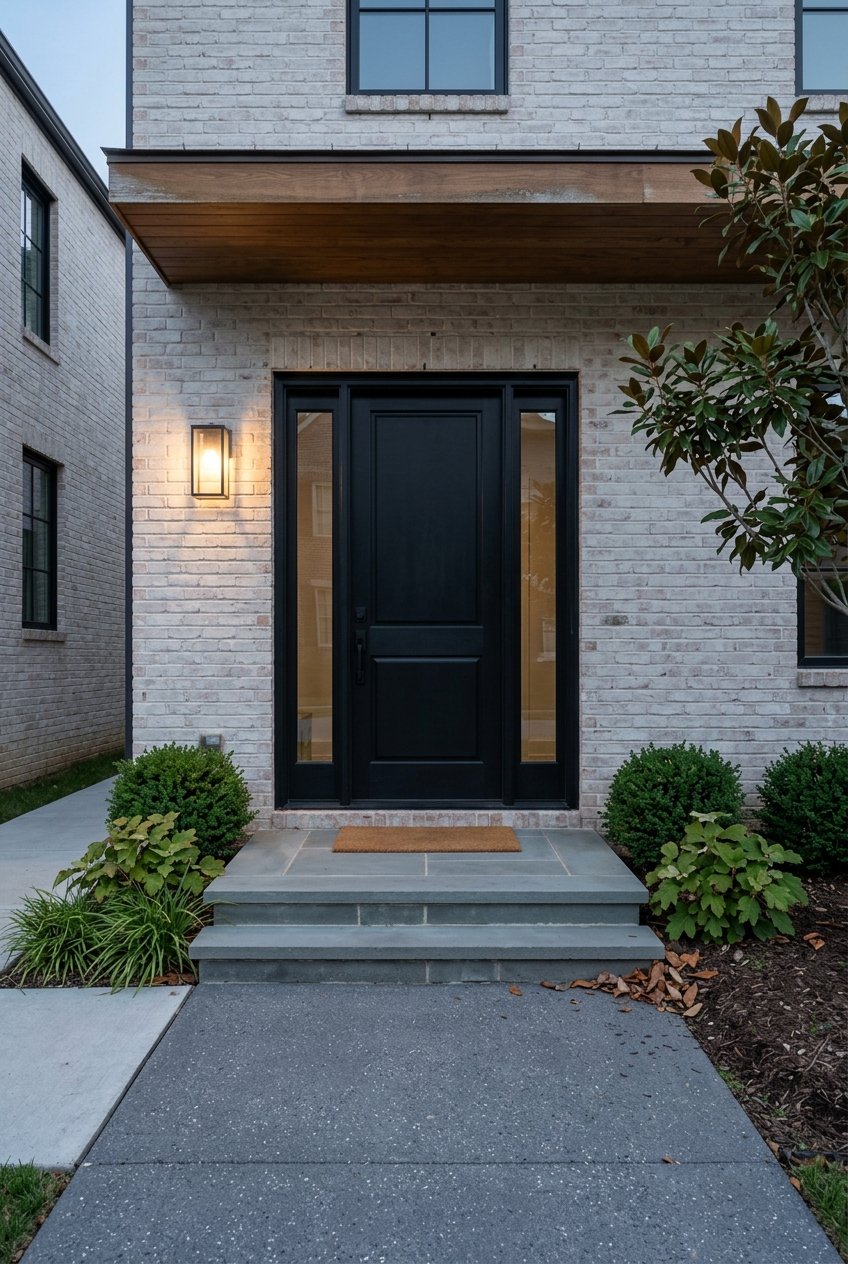
A townhome is a building form. Nashville’s building code defines a townhouse as a single-family dwelling unit in a group of three or more attached units, with separate egress and open space or a public way on at least two sides.
In plain English, a townhome usually feels more house-like than a condo because it is a separate dwelling unit, even though it shares one or more walls. In many cases, it offers a middle ground between convenience and independence.
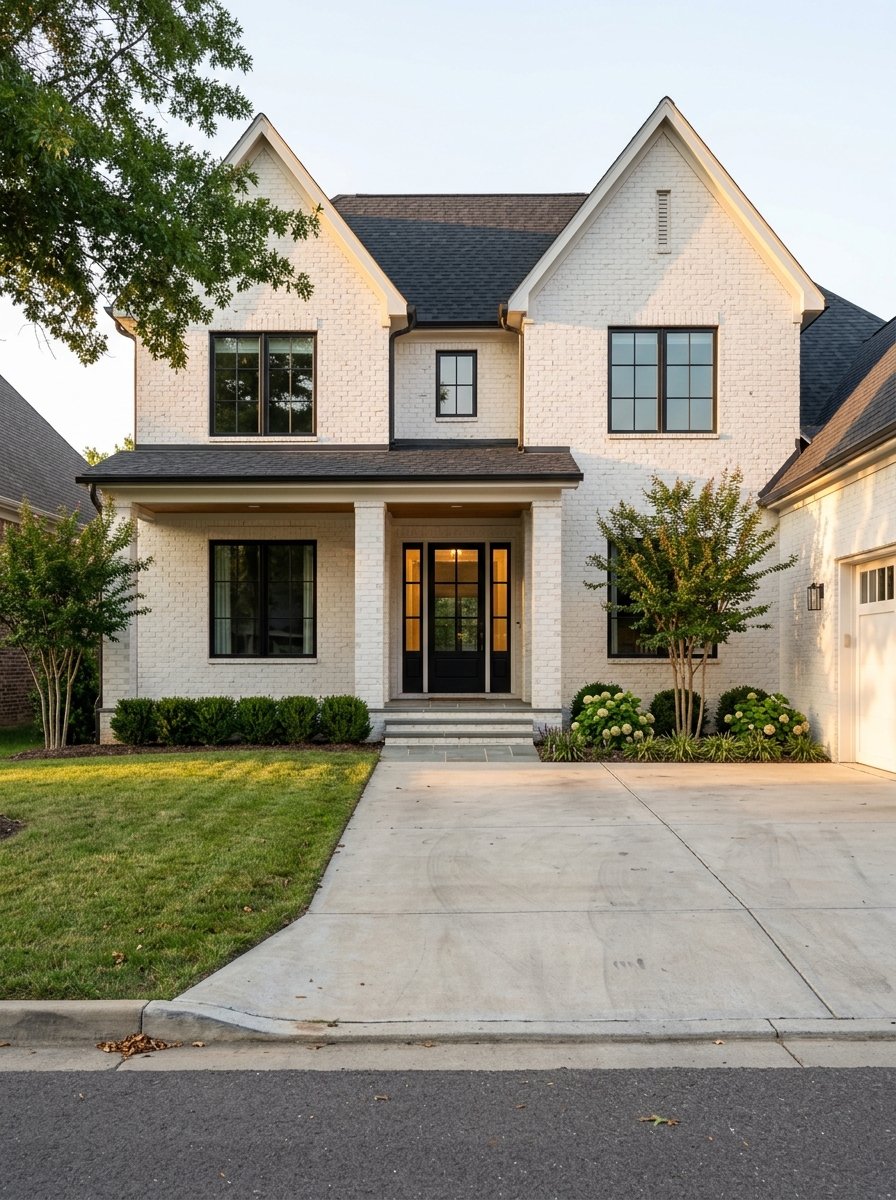
A detached house is the freestanding version of a single-family home. In Nashville, multiple RS zoning districts are intended for single-family dwellings, and Metro uses these districts to regulate where detached homes typically fit.
A detached home stands on its own lot rather than sharing walls or common elements with neighboring units. That usually gives you the most privacy and the most direct control over the property.
Once you understand the definitions, the next step is thinking about daily life.
If you want a lower-maintenance lifestyle, a condo may be the easiest fit. Because exterior and common-area upkeep is typically shared, you may have fewer hands-on tasks to manage yourself.
That said, convenience often comes with more community rules. Since exterior changes usually require approval, condos tend to offer the least flexibility if you want to personalize the outside of the property.
Townhomes often land in the middle. You usually get more separation and privacy than a condo, but less land and yard work than a detached house.
Metro zoning materials for urban areas also contemplate attached townhomes or rowhouses with compact footprints, alley access in some cases, and private yards under certain conditions. That helps explain why many buyers see townhomes as a practical compromise.
If privacy and flexibility are your top priorities, a detached house often stands out. Because the home sits alone on its lot, you generally have more exterior control and a more traditional single-home setup.
That extra space and control can also mean more maintenance. Yard care, exterior repairs, and long-term upkeep often fall more directly on you.
Cost plays a big role in this decision, especially if you are trying to balance monthly payments with lifestyle goals.
Greater Nashville REALTORS reported in April 2026 a median price of $503,340 for residential single-family homes and $345,000 for condominiums across the nine-county market that includes Davidson County. That suggests condos often serve as a lower-priced entry point into the market.
Still, sticker price is only part of the story. Monthly association costs can narrow the gap, so it is smart to compare the full monthly picture rather than focusing only on purchase price.
Nashville’s housing types often line up with how different parts of the city developed.
Condos are a natural fit in downtown and other mixed-use settings. Metro’s Downtown Code is designed around mixed-use, 24/7 neighborhoods, and the Urban Zoning Overlay was created for older parts of the urban core with more walkable development patterns.
If you want to be close to a dense urban environment, condo inventory may show up more often in those kinds of areas.
Townhomes often appear in urban infill settings. Metro zoning notes for the Urban Zoning Overlay specifically contemplate attached townhomes or rowhouses with alley access, private yards, and compact footprints.
For buyers, that can mean a newer or more space-efficient option in locations where detached lots may be harder to find.
Detached houses are the standard fit in Nashville’s single-family districts. Metro’s zoning classifications identify RS districts as single-family residential districts intended for single-family dwellings.
If your search is focused on more traditional single-family housing patterns, detached homes are often the default housing type you will see in those areas.
The listing label does not tell you everything. In Nashville, buyers should review the governing documents and check the parcel’s zoning or overlay status because Metro’s own guidance points buyers to those tools for a property’s rights and restrictions.
Before you get too attached to a place, ask these questions:
Those answers can affect your monthly costs, future plans, and how much freedom you have after closing.
A simple Nashville shorthand is this: condo equals convenience and shared upkeep, townhome equals middle ground, house equals privacy and control.
That does not mean one option is better than the others. It means the best choice depends on what matters most to you.
If you want the easiest day-to-day maintenance and a potentially lower entry price, a condo may make sense. If you want attached living with a more house-like feel, a townhome may be worth a closer look. If you want more privacy, more land, and more control, a detached house may be the better long-term fit.
The key is to compare more than square footage and price. You also want to understand the rules, responsibilities, and tradeoffs before you make an offer.
When you are weighing options in Nashville, it helps to have a clear strategy before you start touring. That means looking at the property type, the governing documents, and the location details together so you can make a confident decision with fewer surprises later. If you want plain-English guidance on how these choices affect your search, connect with Kimberly Hollingshead.
Stay up to date on the latest real estate trends.
Go beyond the broadcast with direct guidance rooted in legal expertise and real estate experience.